The Blazer Fit Exam: Five Checkpoints Before You Buy
A blazer lives or dies at five fit checkpoints — and only some are fixable after purchase. The fit exam: what must be right off the rack, what the tailor can move, and the checkpoint order that decides in ninety seconds.

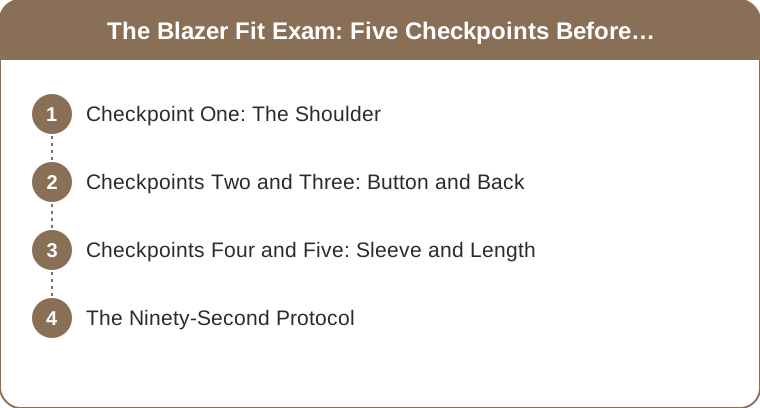
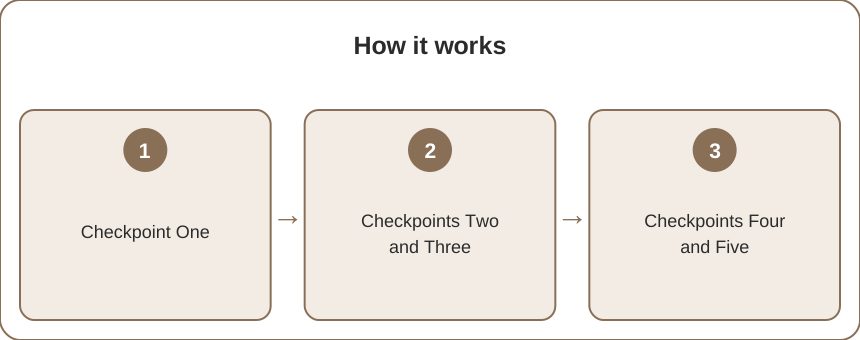
Checkpoint One: The Shoulder
The unfixable first: the shoulder seam ends at YOUR shoulder point (the overhang reads borrowed; the pinch reads outgrown) — shoulder surgery is the alteration tailors decline. The deliberate oversized cut moves the seam by DESIGN, evenly; the accidental mis-fit droops on one axis. Wrong shoulder, back on the rack, exam over.
Checkpoints Two and Three: Button and Back
The button stance: fastened, the closure sits without an X-pull (the strain lines across the button are a size vote), and one fist fits inside. The back check: no collar gap at the neck (the standing-away collar is a cut mismatch) and no horizontal ripples below it. Both partially tailorable — the waist takes in; the collar rarely resolves.

Checkpoints Four and Five: Sleeve and Length
The sleeve line: ending at the wrist bone (the shirt cuff’s quarter-inch reveal is classic; the knuckle-graze is a hem fee), and the body length by intent — the classic covering the seat’s curve, the cropped ending deliberately high, and nothing hovering ambiguously between. Sleeves and hems are the tailor’s easiest wins.
The Ninety-Second Protocol
The fitting room run: shoulders in the mirror, button and fist, the back twist-check, arms up (the lift test — the blazer that pins arms fails its actual job), sit down once, photo protocol. Five checkpoints, two unfixables, one confident verdict — the blazer exam never needs longer.
Shoulder first and final, fist at the button, tailor the sleeves. A blazer’s fit was always five questions — and the rack answers the two that matter before the register does.
Keep Reading
This article is for general styling and informational purposes only. Trends, sizing, availability and pricing may vary by brand and season.